Range of services
Power supply, UPS & backup power
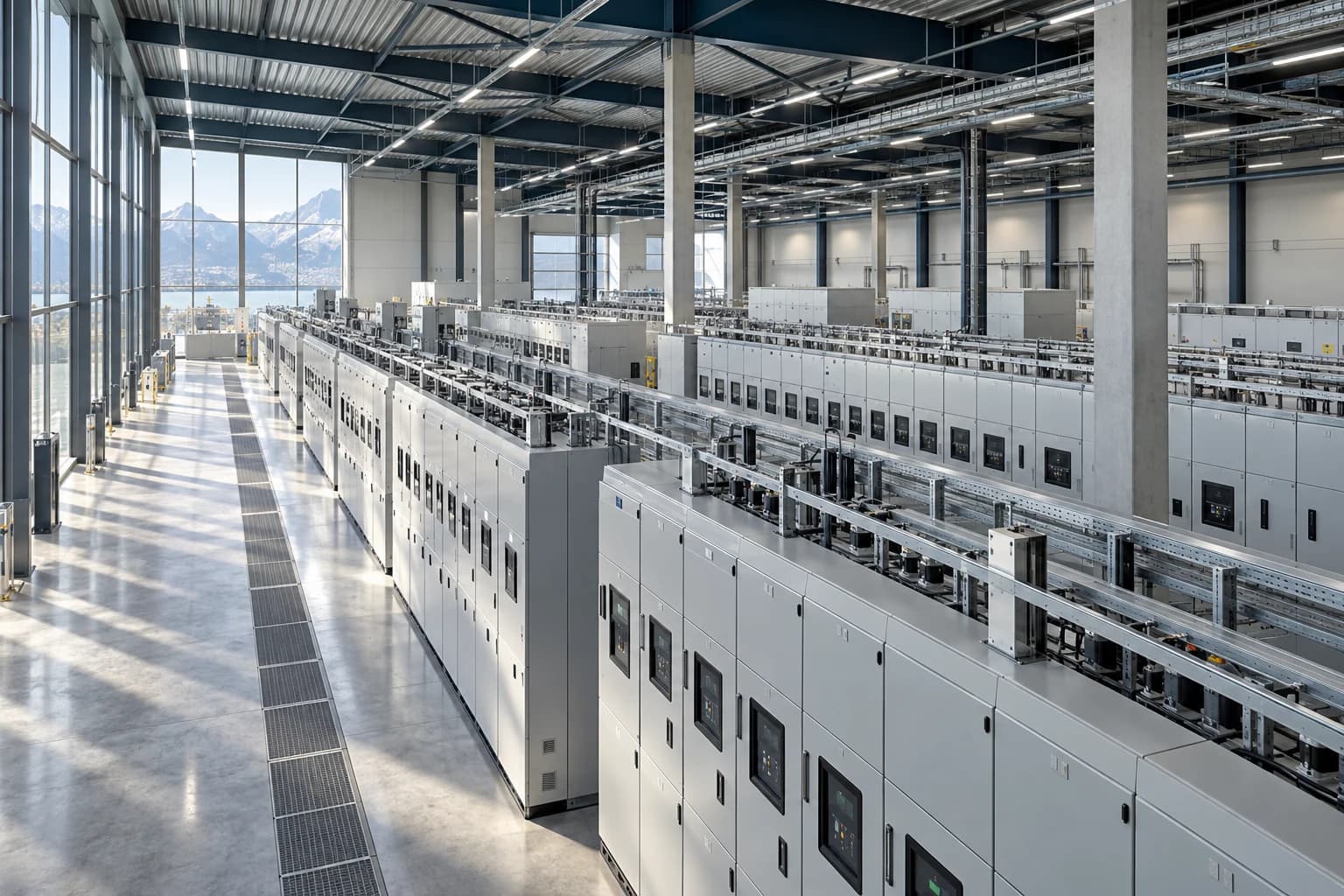
A data centre’s power chain has five stages: grid connection, standby generator, UPS, distribution and rack PDU. When one stage fails, it becomes clear how well the next one has been designed. We build the entire chain and test it as a whole, not device by device.
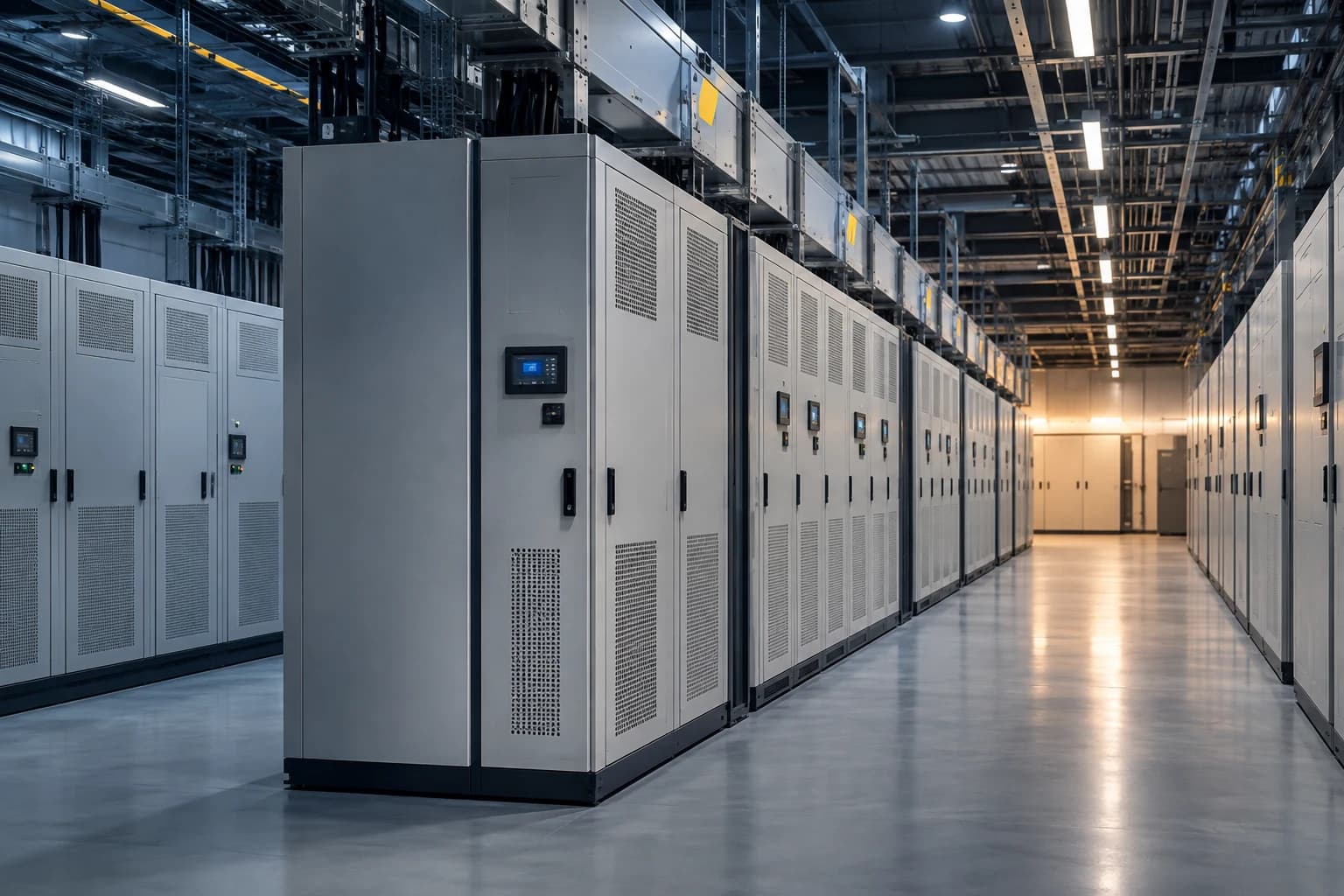
The UPS bridges seconds to minutes – until the grid returns or the standby generator takes over. We size its battery system on the basis of the power budget and the runtime you specify. Later, the capacity test shows how much reserve the batteries have left.
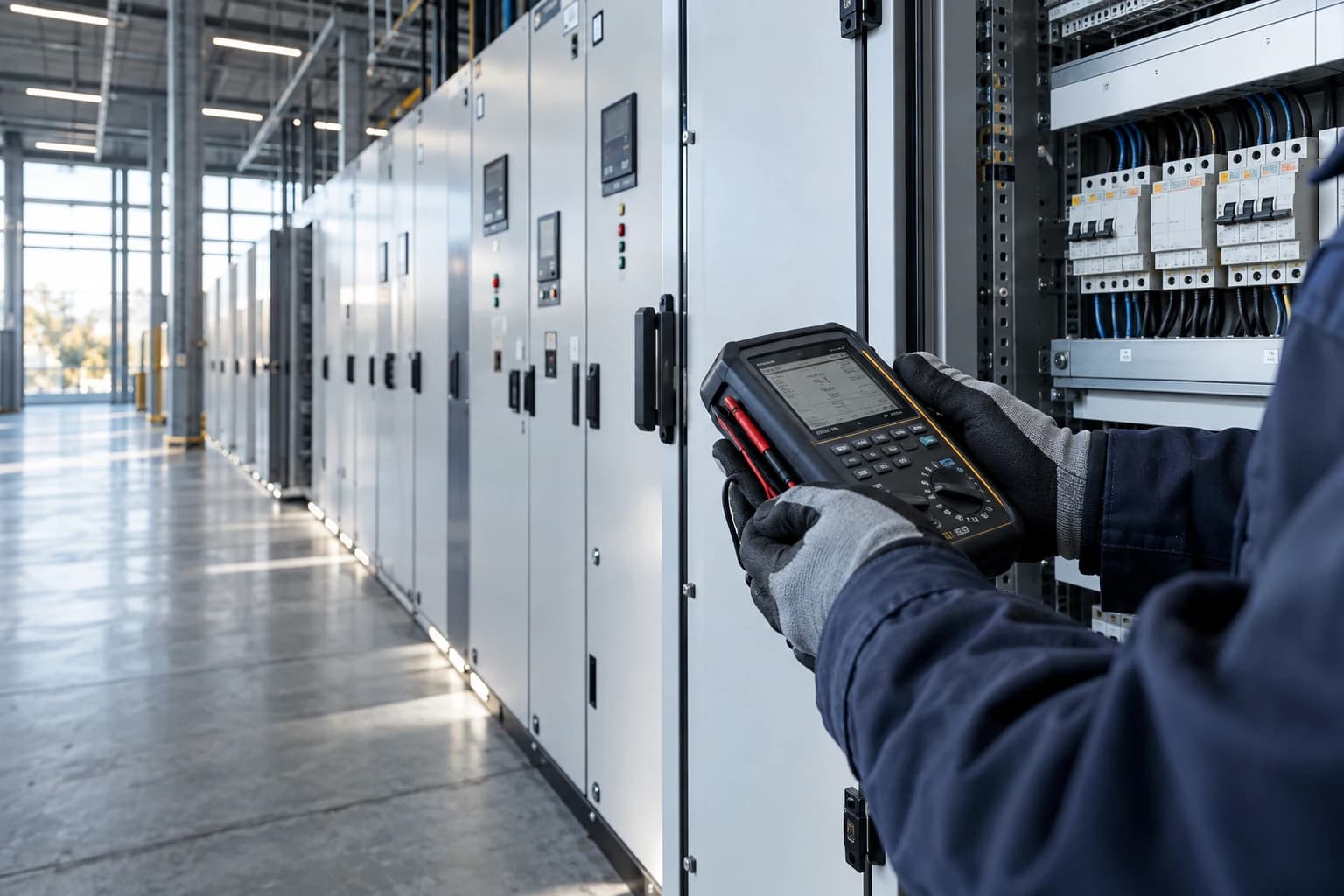
The standby generator covers longer outages. Generator, fuel storage, transfer switching and controls belong together; the transfer is the point at which an outage becomes real. That is why we test it in the load test and record the sequence.
We set the level of redundancy for each stage. N+1 keeps one redundant unit on standby so that maintenance is possible without a shutdown. 2N runs two separate paths from the incoming supply to the rack PDU – two feeds per rack, dedicated circuit protection for each path.
Scope of services
Full scope of services: from load analysis to the test run.
- Services
- Load analysis, redundancy concept, UPS and battery systems, standby generator with transfer switching, distribution to the rack PDU, load test, maintenance
- Clients
- Data centre operators, IT managers, developers and electrical design engineers on new builds
- Records
- Load test report including transfer test, battery capacity test, acceptance report, system documentation, maintenance plan
- Design
- N+1 or 2N per stage; availability targets up to Tier IV – design, not a certification
- Typical applications
- New-build data halls, server rooms in office buildings, replacement of UPS and distribution in existing facilities
N+1, 2N and the load test
- N
- As much power as the load demands. Maintenance on one unit requires a shutdown.
- N+1
- One redundant unit above the load: neither maintenance nor the failure of one unit leads to a shutdown.
- 2N
- Two separate paths from the incoming supply to the rack PDU, two feeds per rack.
- Load test
- Testing the chain under load, with transfer to the standby generator and the sequence recorded.
- Capacity test
- Shows how much runtime the battery system still delivers – the basis for timing its replacement.
Data centres: more services

Frequently asked questions
What is the difference between a UPS and a standby generator?
The UPS bridges interruptions of seconds to minutes. In a prolonged outage, the standby generator, usually diesel-powered, takes over. Together, they ensure a continuous supply.

Talk to the team that builds your network.
Electrical engineering, data centres, fibre, IT and security – across Switzerland, under one roof.
One project manager per contract. A 24/7 service number for installations with a service contract.